The House · Infrastructure before atmosphere
Spaces: What the Estate Must Provide
The kitchen is a working promise. Before you choose the house, establish whether its spaces can support the meal you have in mind.
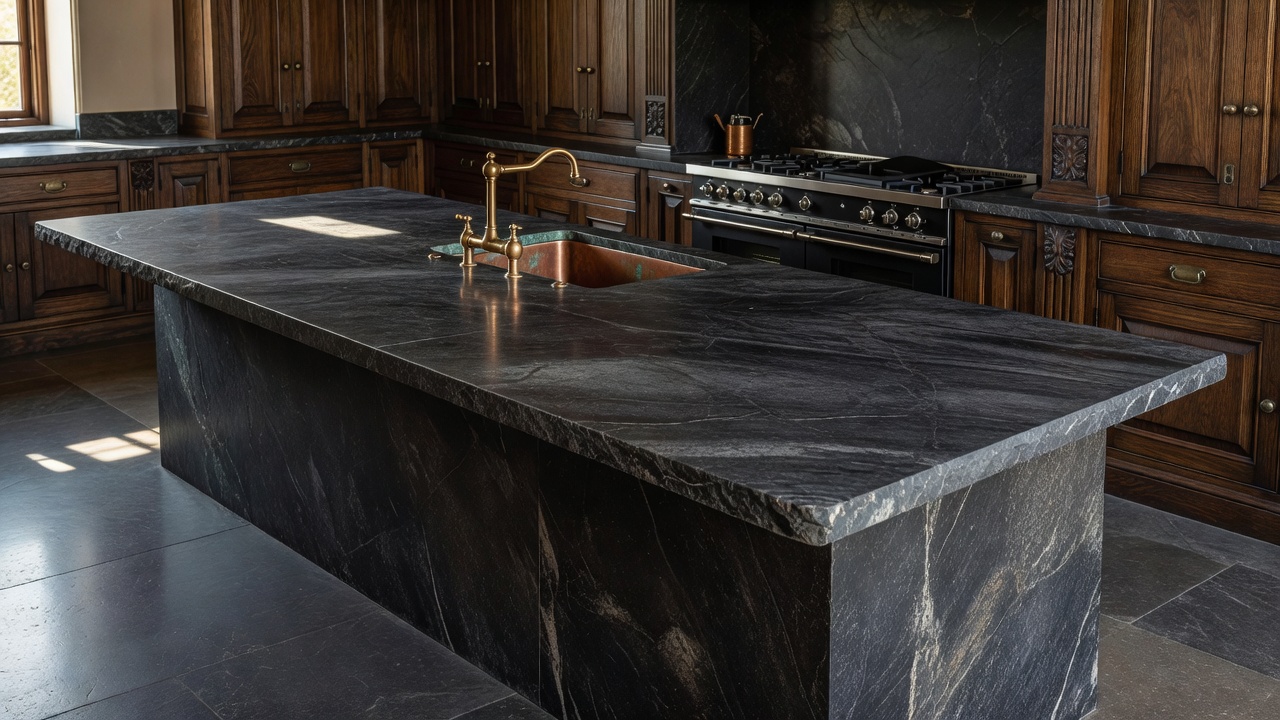
A grand kitchen photograph can conceal surprisingly little working space. Decorative appliances, occupied cupboards and a single domestic refrigerator may be perfectly adequate for a family stay yet unsuitable for a carefully paced dinner. Begin with the menu’s practical demands rather than an assumption that a luxury property is professionally equipped.
Ask the property manager to describe the kitchen as it will actually be handed over. Will the refrigerator be empty? Are appliances serviced and available to a visiting chef? Can household breakfast continue elsewhere during preparation? These questions help distinguish an attractive room from a workable production space.
Make an equipment inventory
Request appliance makes, models and usable capacities where possible. Two ovens are helpful only if both work, both can operate together and their trays suit the chef’s dishes. Ask about hob type, extraction, sharp knives, chopping boards, pans, scales and small appliances. Induction equipment requires compatible cookware; specialist techniques may require equipment the property does not own.
Let the chef review this inventory before finalising the menu. A chef can often adapt intelligently to a modest kitchen, but adaptation should happen during planning rather than after guests arrive. If equipment must be hired, agree who orders it, checks it, receives it and pays for collection.
Treat cold storage as a plan
Refrigeration supports both food safety and calm preparation. Ask how much dedicated space is available after household groceries, drinks and breakfast provisions are accounted for. A wine cooler is not automatically suitable food storage. Frozen ingredients, desserts, raw proteins and ready-to-eat components may create competing demands that a photograph cannot reveal.
Share the expected delivery schedule with the chef and property team. Someone must be available to receive goods and move them promptly into appropriate storage. The chef should set handling and temperature requirements for the menu and applicable local rules; hosts should not substitute a general online checklist for professional food-safety judgement.
Find the preparation footprint
A cook needs more than a clear central island. Identify space for incoming ingredients, vegetable preparation, plating and finished dishes. Check whether coffee machines, decorative arrangements or household belongings occupy the only useful counters. Ask permission before moving anything, and agree how the room should be restored.
Water, lighting, ventilation and power deserve equal attention. Avoid assuming extension leads can solve electrical limitations. If the menu requires additional equipment, have the property confirm an appropriate installation and supply. A separate pantry or utility room can be valuable, provided it is approved for the intended use and does not block access.
Walk the service route
Trace the journey from plating area to each guest’s place. Stairs, heavy doors, narrow passages and exposed terraces affect timing and handling. A dining room that looks close on a floor plan may require a circuit around occupied reception rooms. Ask for a short walkthrough video if an in-person visit is impractical.
Consider guests and staff together. Mobility needs, children, pets and dim evening lighting can change how safely a route works. Agree where trays can rest and where drinks are poured. Service doors should remain usable, but fire doors, exits and emergency access must never be compromised for convenience.
Plan the return journey
Used plates require a route back, somewhere to accumulate and a workable washing system. Ask about dishwasher cycle times, glasswashing, drying space and waste sorting. Limited crockery can force the kitchen to wash between courses; limited glassware can interrupt wine service. The chef and service lead should reconcile equipment counts with the proposed sequence.
Confirm who cleans cooking equipment, handles bins and returns furniture. A property’s departure-cleaning charge does not necessarily cover an event kitchen. Agree the expected handover condition in writing, including late-night work restrictions and any arrangements for collecting hired items the following day.
Match the property to the menu
A Provençal farmhouse near Aix-en-Provence, a Tuscan villa outside Lucca and a country house in the Loire Valley can each support a fine evening, but their location tells you little about working suitability. Historic fabric may restrict extraction or deliveries. A remote setting may complicate equipment replacement. A recently renovated kitchen may prioritise appearance over storage.
The useful decision is not whether a house feels luxurious. It is whether the confirmed facilities support your chosen chef’s method, your guests’ needs and the property’s rules. Resolve the mismatch by changing the menu, adding agreed resources or selecting another house—not by hoping service will absorb it.
Plan the dining brief